-
Your shopping cart is empty!

MENU
Your shopping cart is empty!
Environmental issues: materials for bear Mascot Costumes
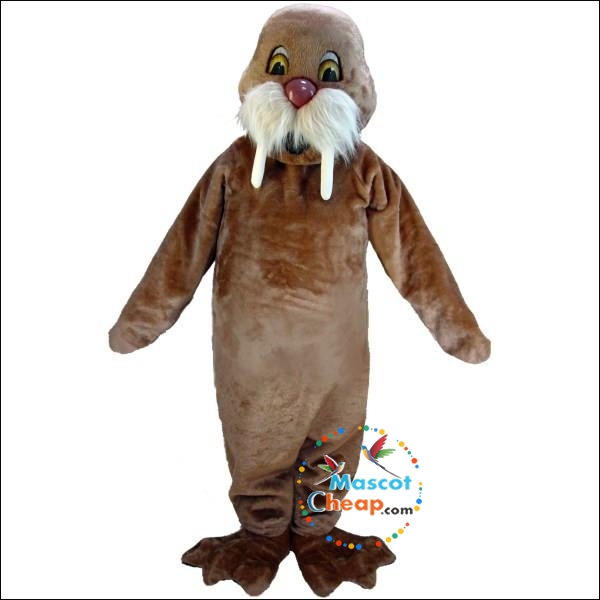
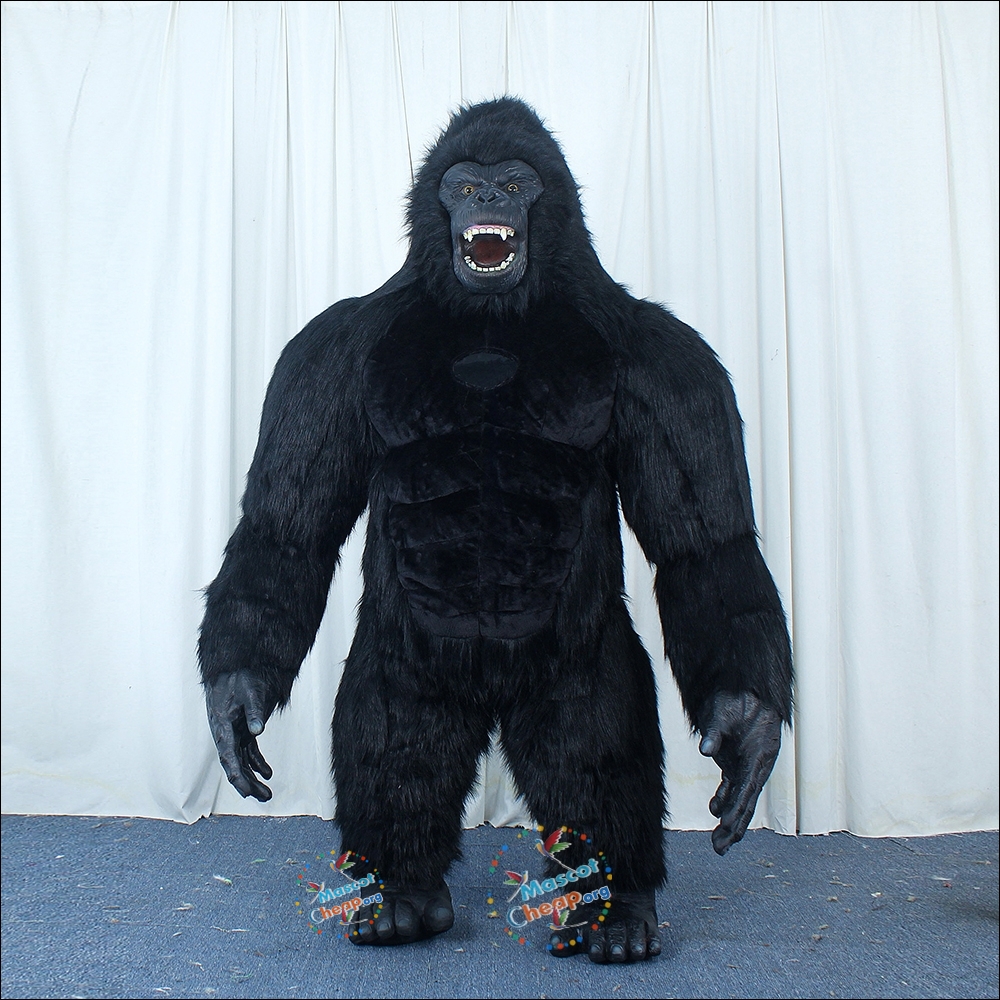
undergo mascot costumes have come to be a ubiquitous presence at wearing occasions, parades, and corporate gatherings, embodying crew spirit and logo identification. but, the environmental impact of these costumes has an increasing number of come under scrutiny. conventional endure mascot costumes frequently rely on synthetic materials like polyester or nylon, which might be derived from petroleum and make a contribution significantly to waste and pollutants during their lifecycle. This has spurred a demand for greater alternatives that balance performance with sustainability.
One promising solution is the use of recycled substances inside the production of undergo mascot costumes. by way of repurposing publish-purchaser plastics and textiles, manufacturers can reduce the need for virgin sources and reduce landfill waste. those recycled substances maintain the durability and versatility vital for costumes at the same time as minimizing their environmental footprint. for instance, fabric crafted from recycled polyester retain the vibrant colors and power required to carry endure mascots to life with out sacrificing sustainability.
every other method entails incorporating organic materials into bear mascot costumes. Cotton, bamboo, and hemp are first-rate picks for his or her biodegradability and lower environmental effect in comparison to artificial fibers. natural cotton, grown without harmful pesticides and fertilizers, is mainly attractive for its softness and comfort. Bamboo fabric provide herbal antibacterial properties and require less water and fewer chemical substances to provide. Hemp, recognised for its sturdiness and speedy growth cycle, gives a sturdy opportunity to standard textiles. by way of blending those organic substances with dyes, manufacturers can create undergo mascot costumes which can be each visually striking and type to the planet.
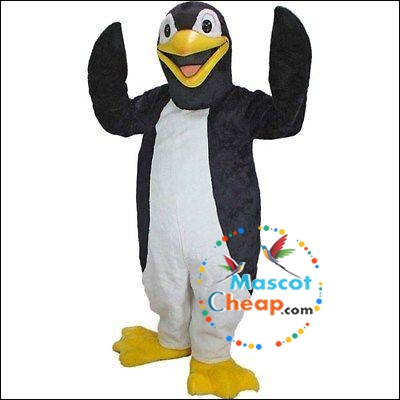
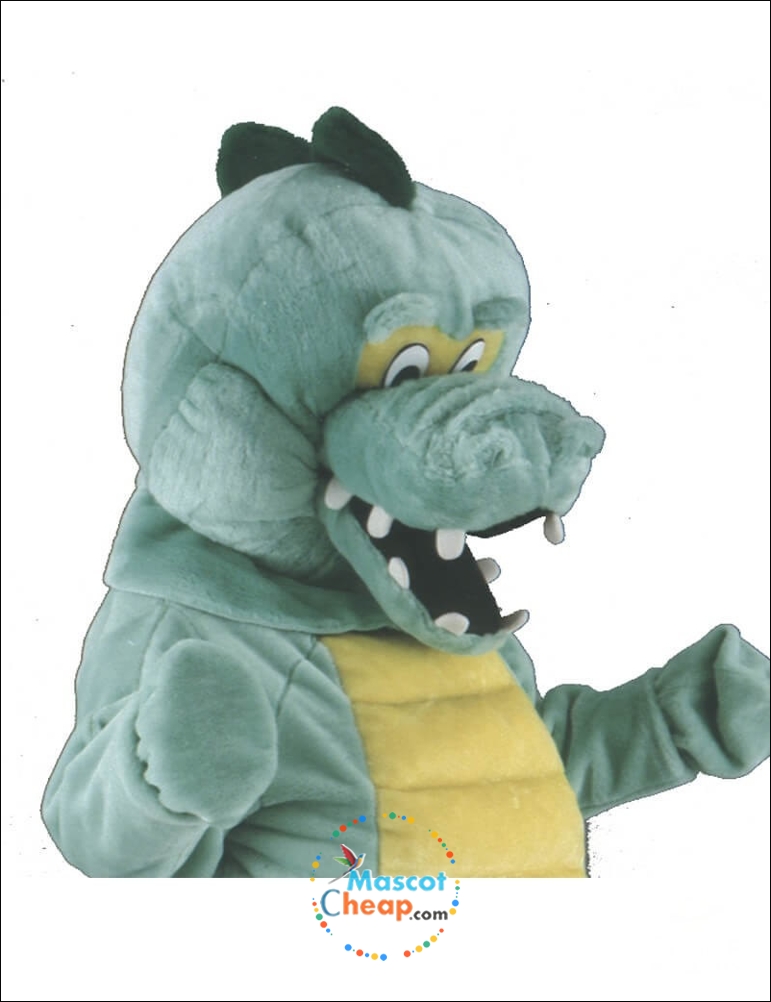
similarly to fabric choices, the manufacturing manner itself can be optimized for environmental sustainability. making use of energy-green production strategies and decreasing water intake in the course of fabric processing are essential steps in minimizing the ecological impact. moreover, nearby production can assist reduce down on carbon emissions related to transportation, ensuring that bear mascot costumes attain their locations with a smaller carbon footprint.
moreover, the durability and recyclability of bear mascot costumes ought to be considered. creation guarantees that these costumes have a longer usable lifestyles, reducing the frequency of replacements. when they in the end put on out, designing costumes for clean disassembly allows components to be recycled or upcycled as opposed to ending up in a landfill. This lifecycle management strategy supports a round economy and minimizes waste.
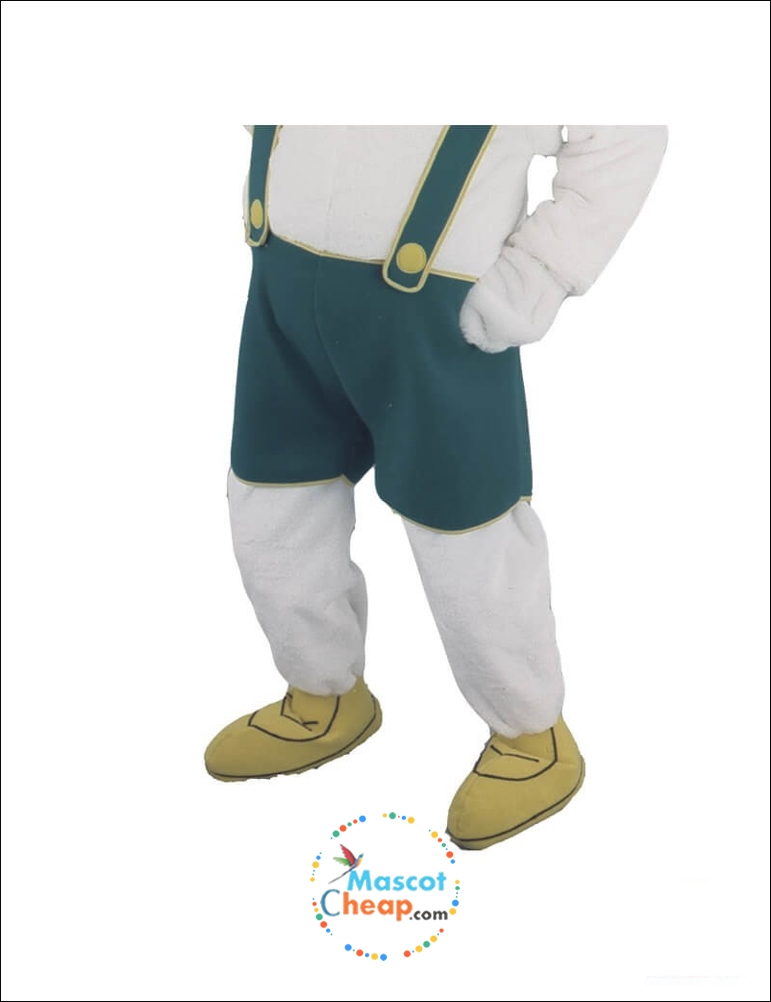
educating consumers and organizations about the advantages of bear mascot costumes is critical for driving market call for. Highlighting the tremendous environmental effect of choosing sustainable options can encourage greater accountable buying selections. moreover, certifications and labels, together with o.k.-TEX or GOTS (international natural textile wellknown), offer transparency and warranty that the goods meet stringent environmental and social standards.
In conclusion, addressing the environmental issues related to bear mascot costumes calls for modern approaches to materials, production processes, and product lifecycle management. by means of embracing recycled substances, natural fabric, and sustainable production practices, it is possible to create undergo mascot costumes that aren't handiest dynamic and engaging however also environmentally responsible. As recognition grows and era advances, the future of endure mascot costumes appears promising, paving the way for a greener, extra sustainable entertainment industry.
Leave a Comment