-
Your shopping cart is empty!

MENU
Your shopping cart is empty!
Environmental effect of manufacturing Cow Mascot Costumes
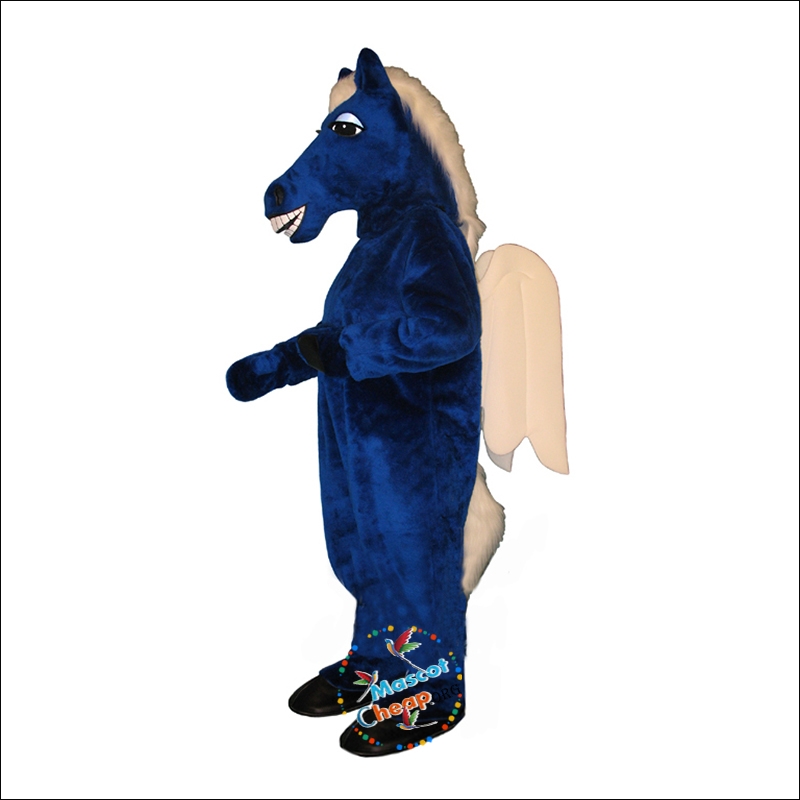
The manufacturing of cow mascot costumes, whilst seemingly whimsical and a laugh, consists of good sized environmental implications. those costumes are frequently made from artificial materials like polyester or nylon, which derive from non-renewable petroleum sources. The extraction and processing of those raw materials make a contribution to greenhouse fuel emissions and environmental degradation.
further to the uncooked fabric segment, the producing manner itself is strength-intensive. Factories producing cow mascot costumes typically depend upon fossil fuels for energy, similarly exacerbating their carbon footprint. moreover, lots of those facilities are placed in areas with less stringent environmental policies, leading to potential pollutants of air, water, and soil.
The lifecycle of cow mascot costumes extends beyond their preliminary production. maximum costumes are designed for quick-time period use, often finishing up in landfills after occasions or events. Polyester and nylon are not biodegradable; they are able to take masses of years to decompose, contributing to long-lasting environmental pollution. Landfills already face overflow problems, and adding cumbersome costumes will increase this stress.
every other critical element is the exertions worried in making these costumes. Many production plants perform in countries where labor legal guidelines are much less stringent, main to terrible working situations. moral worries round fair wages and secure environments add some other layer of complexity to the environmental impact dialogue.

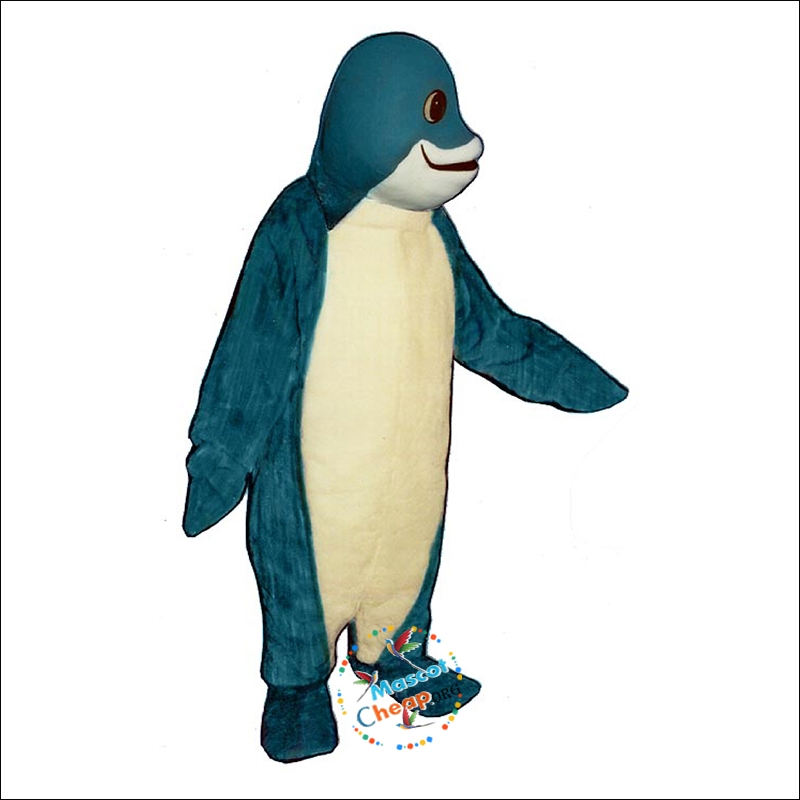
To mitigate those effects, clients have a role to play through opting for greater sustainable alternatives. selecting cow mascot costumes crafted from recycled or organic materials can reduce the demand for virgin polyester and nylon. moreover, helping brands that prioritize ethical production practices can assist enhance operating situations and put into effect stricter environmental standards across the industry.
Recycling and repurposing antique costumes can also appreciably decrease the environmental burden. network recycling applications mainly targeting textile waste can help manipulate and reprocess these objects, stopping them from ending up in landfills. teaching the general public about those options is crucial in changing consumption patterns and selling sustainability.
In end, the advent of cow mascot costumes has a multifaceted environmental effect, from aid extraction via disposal. Addressing this problem calls for concerted efforts from each clients and manufacturers. by using making knowledgeable choices and advocating for extra sustainable practices, we are able to limit the ecological footprint of what appears to be a simple, enjoyable accent.
Leave a Comment